

What Is Occupational Therapy for Adults? Benefits, Process & Who Needs It
If you have been struggling to manage everyday tasks like getting dressed, staying focused at work, dealing with anxiety, or recovering after an injury, you are not alone. Many adults reach a point where daily life starts to feel harder than it should.
This is where occupational therapy can help.
So, what is occupational therapy for adults? It is a type of allied health support that helps people live more independently and confidently in their everyday lives. Whether you are dealing with a physical condition, a mental health challenge, or a disability, occupational therapy focuses on helping you do the things that matter most to you.
At Your Positive Path, based in Truganina, we provide personalised occupational therapy services across Melbourne’s western suburbs to help you move forward at your own pace.
What Is Occupational Therapy for Adults?
Occupational therapy, often called OT, is a health profession focused on helping people participate in everyday activities, also known as occupations.
These are not just jobs. Occupations include anything that fills your day such as cooking, cleaning, working, socialising, hobbies, and self care.
For adults, occupational therapy focuses on identifying what is making daily life difficult and then building practical strategies to overcome those challenges. It is not about telling you what to do. It is about understanding your life, your goals, and your barriers, then working with you to find realistic solutions.
Occupational therapists support people with:
- Physical disabilities
- Mental health conditions
- Chronic illness
- Brain injuries
- Age-related challenges

How Does Occupational Therapy Help Adults?
Occupational therapy takes a practical, whole-person approach. It focuses on improving how you function in real life.
Here are some of the key areas it can help with:
Daily tasks and self care
Getting dressed, cooking, managing medications, and handling household tasks can become difficult. OT helps you find easier and more efficient ways to manage these.
Mental health and emotional wellbeing
Occupational therapy supports adults dealing with anxiety, depression, trauma, and stress by building routines, structure, and coping strategies.
Work and productivity
If you are struggling with focus, time management, or workplace demands, OT can help you develop systems that make work more manageable.
Independence and confidence
Whether you are recovering from an illness or living with a long-term condition, OT helps you become more independent and confident in your daily life.
Home modifications and assistive tools
An occupational therapist may recommend small changes in your home or introduce tools that make daily tasks safer and easier.

Who Needs Occupational Therapy?
Occupational therapy is useful for a wide range of people. You may benefit from OT if you:
- Live with anxiety, depression, or other mental health conditions
- Have a physical disability or chronic pain
- Are recovering from injury, surgery, or stroke
- Have ADHD, autism, or sensory challenges
- Are an NDIS participant looking to build independence
- Feel overwhelmed by everyday life, even without a formal diagnosis
- Are a caregiver experiencing burnout
If any of these sound familiar, speaking with an occupational therapist can be a helpful first step.
What Happens in an Occupational Therapy Session?
If you are new to occupational therapy, here is what the process usually looks like:
1. Initial assessment
Your first session focuses on understanding your routine, challenges, goals, and environment. It is a relaxed, judgement-free conversation.
2. Goal setting
You and your therapist will set practical, meaningful goals based on what matters to you.
3. Practical support
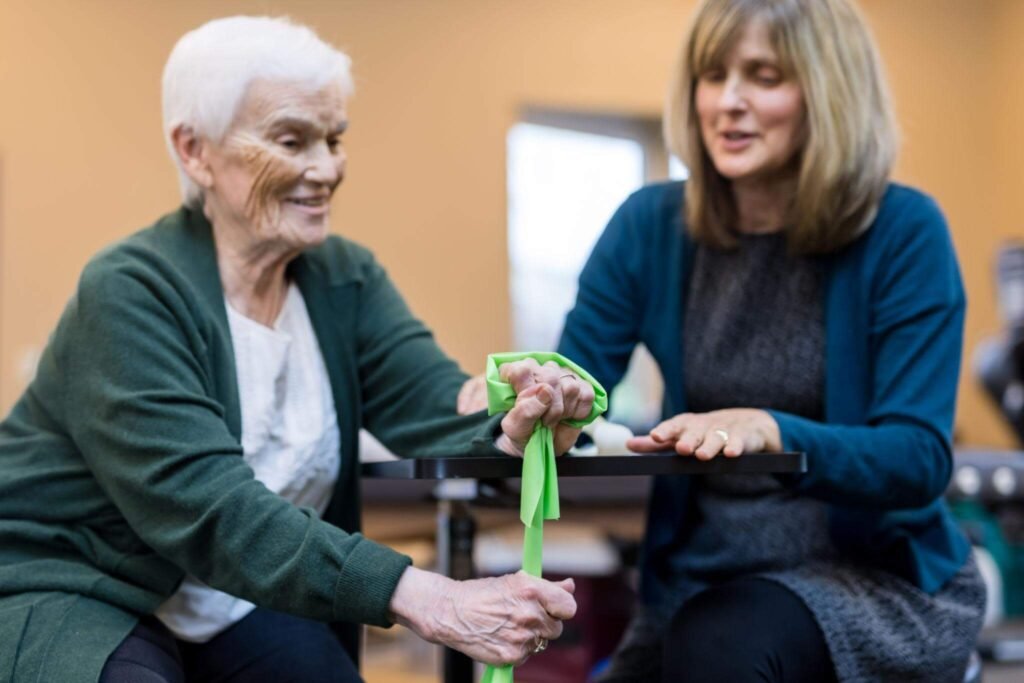
Sessions focus on real-life strategies. This may include practising tasks, building routines, adjusting your environment, or trying new techniques.
4. Ongoing review
Your progress is reviewed regularly, and your plan is adjusted as needed. Occupational therapy is flexible and evolves with you.
Sessions can take place at home, in a clinic, or in the community.
Is Occupational Therapy Covered by NDIS?
Yes, occupational therapy is commonly funded under the National Disability Insurance Scheme in Australia.
If you have an NDIS plan, OT services are usually included under:
- Capacity Building
- Improved Daily Living
Occupational therapists can also assist with:
- Functional assessments
- Assistive technology recommendations
- Home modification reports
- Supported Independent Living assessments
At Your Positive Path, we support NDIS participants in Truganina, Werribee, Tarneit, Point Cook, and surrounding areas. We can help you understand your funding and make the most of your plan.
Benefits of Occupational Therapy for Adults
Over time, occupational therapy can lead to meaningful improvements in daily life:
- Greater independence
- Improved mental wellbeing
- Increased confidence
- Better quality of life
- Reduced stress for caregivers
- Long-term practical strategies
- Safer home environment
Frequently Asked Questions
How long does occupational therapy take?
It depends on your goals and needs. Some people see progress within a few months, while others benefit from longer-term support.
Is occupational therapy worth it?
For many people, yes. Occupational therapy is practical and personalised, which makes it effective for real-life challenges.
Do I need a referral?
In most cases, no. You can contact an occupational therapist directly. Some funding options like NDIS or Medicare may have specific requirements.
Ready to Take the Next Step?
If you or someone you care about could benefit from occupational therapy, Your Positive Path is here to help.
Based in Truganina, we support individuals and families across Melbourne’s western suburbs with personalised, practical care. Our goal is to help you live more independently and confidently.
Contact Your Positive Path today to book an initial consultation or ask any questions.