

Autism and ADHD Support: What Neurodiversity-Affirming Care Means
If you’re looking for autism and ADHD support for yourself or your child, you’ve probably come across the term neurodiversity-affirming care. While it’s becoming more common, many people are still unsure what it actually means and how it differs from traditional approaches.
At its core, neurodiversity-affirming care recognises that Autism and ADHD are natural variations in how people think, learn, communicate, and experience the world. Rather than trying to make someone appear more “typical”, the goal is to understand their unique strengths, support their individual needs, and help them thrive in everyday life.
This approach recognises that every autistic person and every person with ADHD has their own experiences, abilities, and challenges. Support should therefore be personalised rather than based on a one-size-fits-all model.
At Your Positive Path, we provide neurodiversity-affirming psychology and occupational therapy services for children, adolescents, and adults across Truganina, Tarneit, Werribee, Hoppers Crossing, Melton, Fraser Rise, Aintree, and surrounding western Melbourne suburbs. Our team works alongside individuals and families to build practical skills, confidence, independence, and emotional wellbeing. If anxiety is also affecting daily life, read our guide on how to find the right psychologist for Anxiety.

What Does Neurodiversity-Affirming Care Mean?
Neurodiversity-affirming care is based on the understanding that neurological differences are a natural part of human diversity.
Instead of asking, “How can we make this person appear more typical?”, the focus becomes, “How can we help this person succeed while respecting who they are?”
This means support is centred around improving quality of life, reducing unnecessary stress, and building practical strategies without asking someone to hide their identity.
Some key principles include:
Recognising Individual Strengths
Every person has unique strengths.
These may include:
- Creativity
- Problem-solving abilities
- Strong attention to detail
- Honesty
- Deep knowledge of favourite interests
- Pattern recognition
- Innovative thinking
Good therapy recognises and builds upon these strengths instead of focusing only on challenges.
Understanding Behaviour as Communication
Behaviour often communicates an unmet need.
For example, a child who becomes distressed in a noisy environment may be experiencing sensory overload rather than intentionally “misbehaving.”
Rather than simply trying to stop a behaviour, neurodiversity-affirming professionals work to understand:
- What triggered the behaviour?
- Is the person overwhelmed?
- Are communication supports needed?
- Does the environment need adjusting?
This approach leads to more effective and respectful support.
Reducing the Need to Mask
Many autistic people and individuals with ADHD spend years masking, which means hiding their natural behaviours in order to fit in socially.
Although masking may appear successful on the outside, it can contribute to:
- Anxiety
- Burnout
- Exhaustion
- Low self-esteem
- Difficulty understanding one’s own identity
A neurodiversity-affirming approach supports people in developing skills while reducing the pressure to constantly hide who they are.
Supporting the Environment as Well
Support is not only about changing the individual.
Sometimes the biggest improvements come from making changes at home, school, university, or work.
Examples include:
- Visual schedules
- Flexible routines
- Sensory-friendly environments
- Clear communication
- Movement breaks
- Assistive technology
Small environmental adjustments often make daily life significantly easier.
Addressing Real Challenges
Being neurodiversity-affirming does not mean ignoring difficulties.
People may still experience challenges with:
- Emotional regulation
- Executive functioning
- Sensory processing
- Organisation
- Transitions
- Social communication
- Anxiety
The difference is that support focuses on building practical skills while respecting the person’s individuality.
Supporting Children With Autism
Every autistic child is unique. What works well for one child may not work for another. That’s why personalised support is so important.
At Your Positive Path, we take time to understand each child’s strengths, interests, communication style, sensory preferences, and daily challenges before developing strategies that suit their individual needs.
Support may include:
Sensory Regulation
Many autistic children experience the world differently through their senses.
An Occupational Therapist can identify sensory preferences and develop strategies that help children feel calmer, more comfortable, and better able to participate in everyday activities.
Communication Support
Communication looks different for every child.
Support focuses on helping children communicate in ways that work best for them, whether through spoken language, visual supports, augmentative communication, or other approaches.
Daily Living Skills
Occupational Therapy can help children develop practical skills including:
- Dressing
- Eating
- Toileting
- Personal hygiene
- Organisation
- School routines
The goal is to increase confidence and independence over time.
Supporting Emotional Wellbeing
Many autistic children experience anxiety, frustration, or emotional overwhelm.
Psychology sessions can help children:
- Understand emotions
- Build emotional regulation skills
- Improve confidence
- Develop coping strategies
- Strengthen resilience
Working With Families
Parents and carers play an important role.
Our team works alongside families by providing practical strategies that can be used consistently at home, school, and in the community.
Supporting Children With ADHD
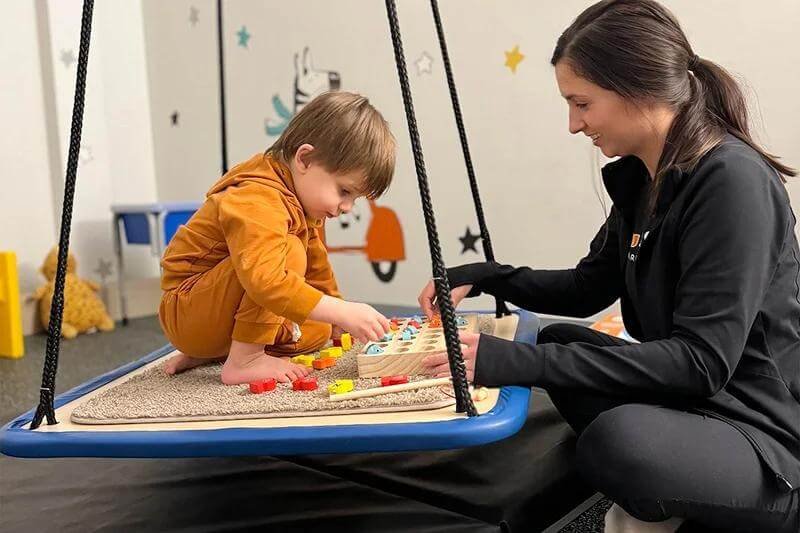
Children with ADHD often experience challenges with attention, organisation, impulsivity, emotional regulation, and executive functioning. These challenges are not caused by laziness or a lack of motivation. They reflect differences in how the brain manages attention, planning, and self-regulation.
With the right support, children with ADHD can develop practical strategies that help them succeed at home, school, and in everyday life.
Areas of support may include:
Executive Function Skills
Executive functioning includes abilities such as:
- Planning
- Organisation
- Time management
- Task initiation
- Working memory
- Flexible thinking
Psychologists and Occupational Therapists help children develop strategies that work with the way their brain processes information rather than expecting them to fit a single approach.
Emotional Regulation
Many children with ADHD experience emotions intensely.
Support focuses on helping children:
- Recognise emotions early
- Develop calming strategies
- Improve frustration tolerance
- Build self-confidence
- Strengthen resilience
School and Home Strategies
Small adjustments often have a significant impact.
These may include:
- Visual schedules
- Movement breaks
- Structured routines
- Clear instructions
- Reduced distractions
- Positive reinforcement
Consistency between home and school helps children apply these strategies more successfully.
Building Confidence
Children with ADHD often receive frequent correction throughout their day, which can affect self-esteem.
Our goal is to help children recognise their strengths, celebrate progress, and develop confidence while learning practical skills that support independence.
Supporting Autistic Adults
Although autism has traditionally been associated with childhood, many people are now receiving an autism diagnosis later in life. For some adults, understanding they are autistic provides clarity after years of feeling different, misunderstood, or exhausted by trying to fit in.
Whether someone is newly diagnosed or has known for years, support should focus on improving quality of life while respecting their identity.
At Your Positive Path, our psychologists and occupational therapists provide neurodiversity-affirming support for autistic adults, helping them better understand their strengths, navigate challenges, and build practical strategies for everyday life.
Support may include:
Understanding a Late Diagnosis
Receiving an autism diagnosis as an adult can bring a mix of emotions, including relief, validation, confusion, or grief.
Psychology sessions provide a safe space to explore identity, understand past experiences, and develop greater self-acceptance.
Managing Masking and Burnout
Many autistic adults have spent years masking their natural behaviours to fit social expectations.
Over time, masking can contribute to:
- Anxiety
- Chronic stress
- Burnout
- Emotional exhaustion
- Low self-confidence
Support focuses on recognising where masking occurs, understanding its impact, and finding healthier ways to participate in daily life without constantly hiding who you are.
Workplace, Study and Relationship Support
Daily life often presents challenges that go beyond clinical symptoms.
Our team can help develop strategies for:
- Workplace communication
- University or study routines
- Friendships
- Romantic relationships
- Independent living
- Managing sensory demands in different environments
Managing Co-occurring Mental Health Concerns
Autistic adults may also experience anxiety, depression, or chronic stress, particularly after years of feeling misunderstood or unsupported.
By addressing both autism and mental health together, support becomes more practical, personalised, and meaningful.

Emotional Regulation Strategies for Autism and ADHD
One of the most common reasons individuals and families seek support is difficulty managing emotions.
Strong emotions, sensory overload, unexpected changes, and executive functioning challenges can all affect emotional regulation.
Rather than trying to stop emotions, neurodiversity-affirming support focuses on understanding what causes emotional dysregulation and developing strategies that work for the individual.
Helpful approaches may include:
Recognising Early Signs
Learning to identify early signs of stress or overwhelm makes it easier to use calming strategies before emotions become overwhelming.
Understanding Sensory Needs
Sensory tools may include:
- Noise-cancelling headphones
- Fidget tools
- Weighted blankets
- Movement breaks
- Quiet spaces
- Visual supports
The most effective sensory supports differ from person to person.
Building Emotional Awareness
Children, teenagers, and adults often benefit from learning to identify emotions before they become overwhelming.
Psychologists may use visual scales, emotion cards, or structured coping strategies to help build emotional awareness.
Co-regulation
For younger children especially, emotional regulation often develops through co-regulation.
A calm, supportive adult can help a child gradually learn self-regulation skills rather than expecting them to manage overwhelming emotions independently.
Allowing Time to Recover
After school, work, or busy social situations, many neurodivergent people need time to recharge.
Allowing opportunities for rest and recovery can reduce stress and help prevent burnout.
How Psychology and Occupational Therapy Work Together
Many individuals benefit from a combination of psychology and occupational therapy because each profession focuses on different aspects of wellbeing.
Psychology Can Help With:
- Anxiety
- Depression
- Emotional regulation
- Self-esteem
- Relationships
- Processing a diagnosis
- Coping strategies
- Managing stress and burnout
Occupational Therapy Can Help With:
- Sensory processing
- Daily living skills
- Executive functioning
- Organisation and routines
- School readiness
- Workplace strategies
- Community participation
- Independence
Working together allows support to address both emotional wellbeing and everyday functioning, creating a more holistic approach.
If you’re interested in learning more about Occupational Therapy, you may also enjoy our article What Is Occupational Therapy for Adults? Benefits, Process & Who Needs It.
Frequently Asked Questions
What does neurodiversity-affirming care mean?
Neurodiversity-affirming care recognises Autism and ADHD as natural differences rather than conditions that need to be “fixed.” Support focuses on understanding the individual, building practical skills, reducing unnecessary barriers, and improving quality of life.
Do I need a formal diagnosis before getting support?
Not always.
Many people seek support for emotional regulation, executive functioning, sensory processing, or everyday challenges before receiving a formal diagnosis. Our team can provide guidance based on your individual needs.
Can adults receive Autism or ADHD support?
Yes.
Children, teenagers, and adults can all benefit from psychology and occupational therapy support, regardless of when they receive a diagnosis
Is neurodiversity-affirming care suitable for children?
Yes.
A neurodiversity-affirming approach helps children develop confidence, independence, emotional regulation, and practical life skills while respecting their individual strengths and differences.
Supporting Neurodivergent Individuals and Families
Finding the right support can make a meaningful difference for children, teenagers, adults, and their families. At Your Positive Path, we provide evidence-based neurodiversity-affirming psychology and occupational therapy services that recognise every person’s strengths, goals, and lived experiences.
Based in Truganina, we proudly support individuals and families across Melbourne’s western suburbs with personalised, practical care. Our goal is to help you live more independently and confidently.
Our services include:
- Therapy and Emotional Support
- Occupational Therapy
- Family and Carer Support
- Practical Daily Living Support
- Cognitive Assessments
- Autism and ADHD Support
We also support NDIS participants, Medicare clients (where eligible), WorkCover, TAC, and private clients. Telehealth appointments are available across Australia.
Ready to Learn More?
Whether you’re seeking support for yourself, your child, or a family member, our team is here to help.
Contact Your Positive Path to learn more about our Autism and ADHD support services or to book an appointment.